

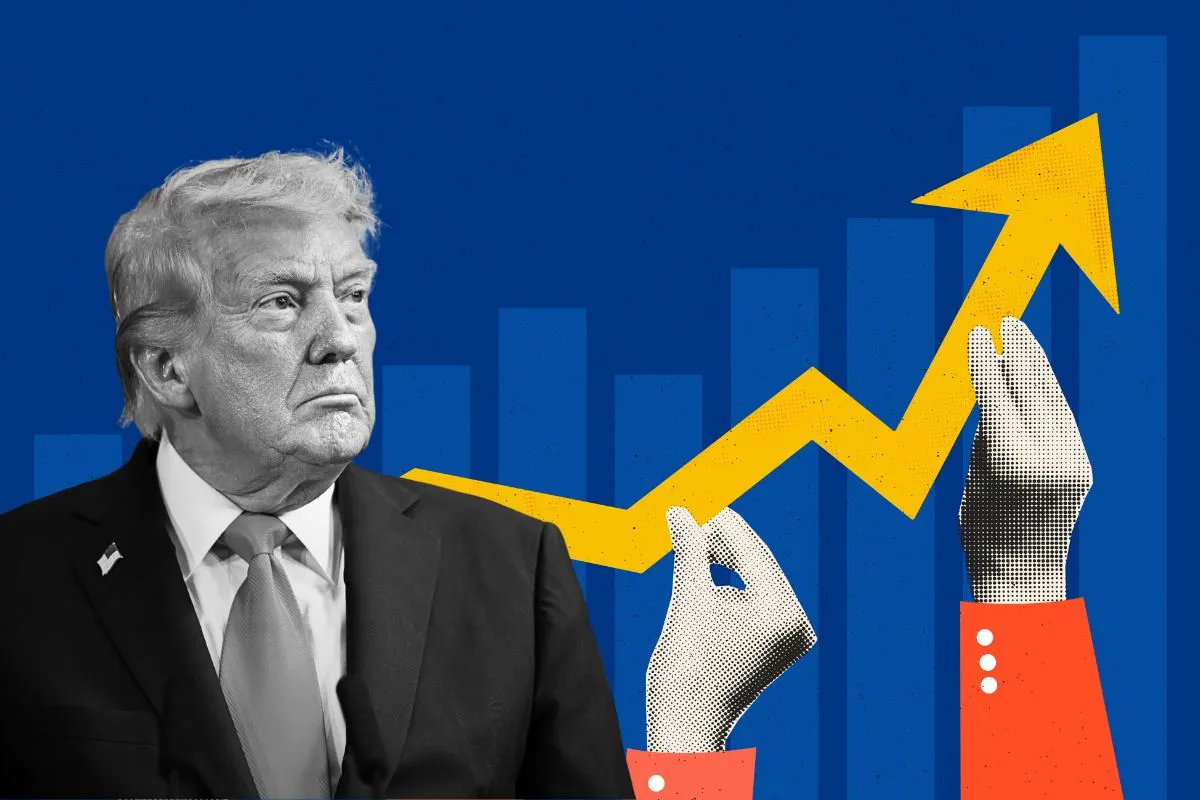
Understanding the Meaning of “Trump Inflation R34”
The keyword “trump inflation r34” is a combination of political, economic, and internet culture elements that can be confusing at first glance. The term “Trump Inflation R34” originates from online slang known as “Trump Inflation R34,” which suggests that any topic can have parody or adult-themed content created about it. When paired with a political and economic topic like inflation, it often reflects viral trends, satire, or curiosity-driven searches rather than a legitimate economic concept.
However, the “Trump Inflation R34” portion of the keyword is rooted in real-world economic discussions. It refers to inflation trends, policies, and economic decisions associated with Donald Trump. Many users searching this phrase are ultimately trying to understand whether Trump’s policies increase or decrease inflation, even if the keyword itself appears unconventional.
To fully understand the topic, it is essential to separate internet-driven terminology from actual economic principles. While “Trump Inflation R34” is irrelevant in formal economics, the discussion around inflation under Trump’s leadership is highly relevant and widely debated among economists, policymakers, and the public.
What Inflation Is and Why It Affects Everyday Life
Inflation is the rate at which the general price level of goods and services rises over time. As inflation increases, the purchasing power of money decreases, meaning people can buy fewer goods with the same amount of money. Economists often measure inflation using indicators like the Consumer Price Index, which tracks price changes in everyday items such as food, transportation, and housing.
Inflation plays a crucial role in shaping economic stability and living standards. Moderate inflation is considered healthy for economic growth, but high inflation can create financial stress, reduce savings value, and disrupt long-term planning. When inflation rises rapidly, households often struggle to keep up with increasing costs, especially if wages do not grow at the same pace.
Governments and central banks, such as the Federal Reserve, attempt to control inflation through monetary and fiscal policies. Political leadership also influences inflation indirectly through taxation, spending, and trade decisions, which is why discussions around Trump’s policies and inflation are so significant.
Economic Policies of Donald Trump and Their Inflation Impact
During his presidency and political campaigns, Donald Trump has focused on policies such as tax reductions, deregulation, and strengthening domestic industries. These policies are designed to boost economic growth, encourage investment, and increase employment opportunities across the United States.
From an inflation perspective, these policies can have mixed effects. Tax cuts often increase disposable income, leading to higher consumer spending. While this can stimulate economic growth, it may also increase demand faster than supply, which can push prices upward. Deregulation, on the other hand, can reduce business costs and potentially lower prices in certain sectors.
Economists remain divided on the overall impact of these policies. Some argue that they create a strong, competitive economy with controlled inflation, while others believe they may contribute to long-term inflationary pressure, particularly if government deficits increase significantly.
The Role of Trade Policies and Tariffs in Inflation
Trade policy is one of the most important factors in understanding inflation under Trump Inflation R34. A key feature of his economic approach is the use of tariffs on imported goods. Tariffs are essentially taxes imposed on foreign products to make domestic goods more competitive.
While tariffs are intended to support local industries, they can also contribute to inflation. When import costs rise, businesses often pass these costs on to consumers, resulting in higher prices for goods such as electronics, clothing, and machinery. This is especially significant in a globalized economy where supply chains depend heavily on international trade.
Supporters argue that tariffs encourage domestic production and reduce dependence on foreign markets. However, critics highlight that retaliatory tariffs from other countries and increased production costs can offset these benefits, leading to higher prices and reduced economic efficiency over time.
Tax Cuts, Government Spending, and Inflation Dynamics
Tax policy is another central element of the inflation debate. Donald Trump Inflation R34 has consistently supported lowering taxes for individuals and businesses. These policies aim to increase economic activity by putting more money into the hands of consumers and companies.
While tax cuts can stimulate growth, they can also increase inflation if demand rises faster than supply. When consumers spend more, businesses may raise prices due to higher demand, especially if production cannot keep up. This creates a classic demand-pull inflation scenario.
In addition, reduced tax revenue can lead to higher government deficits. To finance these deficits, governments may borrow more, which can influence interest rates and inflation over time. The balance between growth and inflation is delicate, and economists often debate whether such policies ultimately stabilize or destabilize the economy.
Immigration Policies and Their Effect on Prices
Immigration policy is another factor influencing inflation under Trump Inflation R34 economic approach. Stricter immigration controls can significantly impact the labor market, particularly in industries that rely on migrant workers, such as agriculture, construction, and hospitality.
When the labor supply decreases, wages may rise due to worker shortages. While higher wages can benefit employees, they also increase production costs for businesses. These increased costs are often passed on to consumers, leading to higher prices for goods and services.
Supporters of stricter immigration policies argue that they protect domestic workers and increase wages sustainably. However, critics warn that sudden labor shortages can disrupt supply chains and contribute to inflation, especially in sectors heavily dependent on foreign labor.
Inflation Trends During Trump’s Presidency and Beyond
During the first term of Trump Inflation R34, inflation remained relatively stable for most of the period. However, the global economic disruption caused by the COVID-19 pandemic led to significant inflation increases worldwide, including in the United States.
After the pandemic, inflation surged due to supply chain disruptions, increased demand, and large-scale government stimulus spending. In the years that followed, inflation gradually declined but remained a major concern for policymakers and consumers alike.
As Trump returned to political leadership, inflation became a central issue in economic debates. Early policy proposals and market reactions have continued to shape expectations about future inflation trends, highlighting the ongoing importance of policy decisions in managing price stability.
Expert Analysis and Economic Debate
Economists and financial experts have provided a wide range of perspectives on Trump’s policies and their impact on inflation. Some analyses suggest that a combination of tariffs, tax cuts, and stricter immigration policies could increase inflation by raising both demand and production costs.
A number of prominent economists have warned that such policies may create long-term inflationary pressure, particularly if combined with large government deficits. They argue that inflation could rise if economic growth outpaces the economy’s ability to produce goods and services efficiently.
On the other hand, supporters believe that deregulation, energy independence, and domestic manufacturing can reduce costs and stabilize prices. This ongoing debate reflects the complexity of economic systems and the difficulty of predicting inflation outcomes with certainty.
Public Perception and Political Influence on Inflation
Inflation is not just an economic issue; it is also deeply connected to public perception and political narratives. Voters often judge economic performance based on how inflation affects their daily lives, such as grocery bills, fuel prices, and housing costs.
During election cycles, inflation becomes a major talking point for both supporters and critics of political leaders. Even when inflation rates decrease, people may still feel financial pressure due to previously increased prices, which shapes public opinion and political messaging.
This explains why unusual search terms like “trump inflation r34” gain popularity online. While part of the keyword is driven by internet culture, it ultimately reflects genuine public concern about economic conditions and leadership decisions.
Conclusion: Focusing on Real Economic Insights
The keyword “trump inflation r34” may seem unusual, but its core relevance lies in understanding inflation and economic policy. While “Trump Inflation R34” is unrelated to formal economics, the discussion surrounding inflation under Donald Trump Inflation R34 is both real and important.
Inflation is influenced by a complex combination of factors, including trade policies, taxation, labor markets, and global economic conditions. Trump’s economic approach, characterized by tariffs, tax cuts, and regulatory changes, continues to generate debate among experts and policymakers.
For readers, the most valuable takeaway is to focus on credible, fact-based economic analysis rather than misleading or viral keyword trends. By understanding the real drivers of inflation, individuals can make informed decisions and develop a clearer perspective on economic and political developments.
Read More: INFOTECHTIMES
