

Early Life and Formative Years
Russell Martin was born on January 4, 1986, in Brighton, England, into a working-class family environment that played a major role in shaping his character and resilience. His early life was marked by financial challenges and personal struggles, but these experiences helped him build a strong mindset and a deep sense of discipline. Growing up in Brighton, he developed an early passion for football, often playing in local areas where his natural leadership and defensive instincts began to stand out.
Education and survival were both important during his teenage years. Martin attended Varndean School and later Varndean College, where he balanced academic responsibilities with part-time work. These experiences gave him a grounded personality and a strong work ethic that later became evident in his professional career. Unlike many elite footballers who progress smoothly through academies, Martin’s path required persistence and emotional strength.
His early exposure to setbacks, including being released from Brighton & Hove Albion’s youth system, became a turning point. Instead of giving up, he used the rejection as motivation to rebuild himself. This resilience became a defining theme throughout his football journey, influencing both his playing mentality and his later approach as a manager.
Youth Development and Lower League Foundations
After leaving Brighton & Hove Albion, Russell Martin had to restart his career through non-league football, a stage that shaped his understanding of the game from the ground up. He joined Lewes, where he gained his first experience in senior football. Playing in lower leagues exposed him to physical and tactical challenges that accelerated his development as a defender.
His performances at Lewes earned him a move to Wycombe Wanderers in 2004, where he began to establish himself as a reliable and intelligent defender. At Wycombe, Martin made over 100 appearances and quickly became known for his composure on the ball and ability to read the game. These qualities set him apart from traditional defenders who relied purely on physicality.
This period of his career was crucial because it built the foundation of his football identity. He was not the fastest or strongest player on the pitch, but his intelligence, positioning, and leadership made him highly effective. These attributes later influenced his coaching philosophy, particularly his emphasis on structured play and tactical discipline.
Rise at Peterborough United and Leadership Development
In 2008, Russell Martin joined Peterborough United, a move that marked a significant step forward in his career. At Peterborough, he quickly became one of the youngest captains in the club’s history, reflecting his leadership qualities and maturity beyond his years. His ability to organize the defense and communicate effectively with teammates made him an essential part of the squad.
During his time at Peterborough, Martin played a key role in the club’s promotion campaigns and established himself as one of the most consistent defenders in the division. His performances attracted attention from higher-level clubs, particularly due to his versatility, as he was capable of playing both centrally and as a full-back.
This stage of his career highlighted his growing football intelligence. He was beginning to think like a coach on the pitch, analyzing situations and adapting his positioning based on the flow of the game. This tactical awareness later became one of his strongest assets as a manager.
Norwich City Success and Premier League Experience
Russell Martin’s most defining playing chapter came during his time at Norwich City, where he joined initially on loan before making the move permanent in 2010. At Norwich, he became a central figure in the team’s rise through the English football pyramid, making over 300 appearances for the club.
His time at Norwich City included multiple promotions to the Premier League, where he competed against some of the best attackers in world football. Despite not being the most physically dominant defender, Martin used intelligence, positioning, and ball-playing ability to remain effective at the highest level. His calmness under pressure made him a key component of Norwich’s defensive structure.
He was also recognized individually for his performances, being named in the PFA Championship Team of the Year during the 2014–15 season. This recognition reflected his consistency and influence within the league. At Norwich, he developed a reputation as one of the most technically gifted defenders in English football’s second tier.
International Career with Scotland
Although born in England, Russell Martin qualified to represent Scotland through his family heritage, and he made his international debut in 2011. Over the course of his international career, he earned 29 caps for Scotland, becoming a regular part of the national team setup during his peak playing years.
Playing for Scotland allowed Martin to experience international football and different tactical systems. He featured in various qualifying campaigns and contributed to the team’s defensive structure. While he did not score goals at the international level, his role was primarily focused on organization and defensive stability.
His international experience broadened his understanding of football styles beyond club-level competition. It exposed him to different coaching methods and strategies, which later influenced his tactical thinking as a manager. Representing Scotland also strengthened his reputation as a dependable and intelligent defender.
Transition from Player to Manager
Russell Martin’s transition into management began while he was still an active player at Milton Keynes Dons. In 2019, he took on the role of player-manager, marking the beginning of a new phase in his football journey. This dual responsibility allowed him to immediately apply his tactical ideas in a competitive environment.
At MK Dons, Martin introduced a possession-based style of football that emphasized structured build-up play and control of the game through passing. His philosophy was influenced by modern coaching trends, particularly the importance of playing out from the back and maintaining positional discipline. This approach stood out in lower league football, where direct play was more common.
Eventually, Martin retired as a player to focus fully on management. This decision reflected his long-term ambition to become a modern football coach and build a career defined by tactical identity rather than traditional methods.
MK Dons and the Development of a Tactical Identity
During his time at Milton Keynes Dons, Russell Martin began to establish a clear tactical identity that would define his coaching career. His teams were built around possession, structure, and patience in build-up phases. He encouraged defenders and goalkeepers to participate actively in passing sequences, even under pressure.
This approach was both praised and criticized. While many admired his commitment to modern football principles, others questioned whether the system was too complex for lower league players. However, Martin remained committed to his philosophy, believing that consistency and repetition would lead to long-term success.
His work at MK Dons demonstrated his willingness to challenge traditional football norms. It also positioned him as part of a new generation of English coaches influenced by European tactical trends, particularly those seen in Spanish and German football systems.
Swansea City and Southampton Managerial Challenges
Russell Martin’s move to Swansea City in 2021 marked his entry into a higher level of managerial responsibility. At Swansea, he continued to refine his possession-based approach, focusing on structured passing patterns and controlled game tempo. His teams were known for their ability to dominate possession, even against stronger opposition.
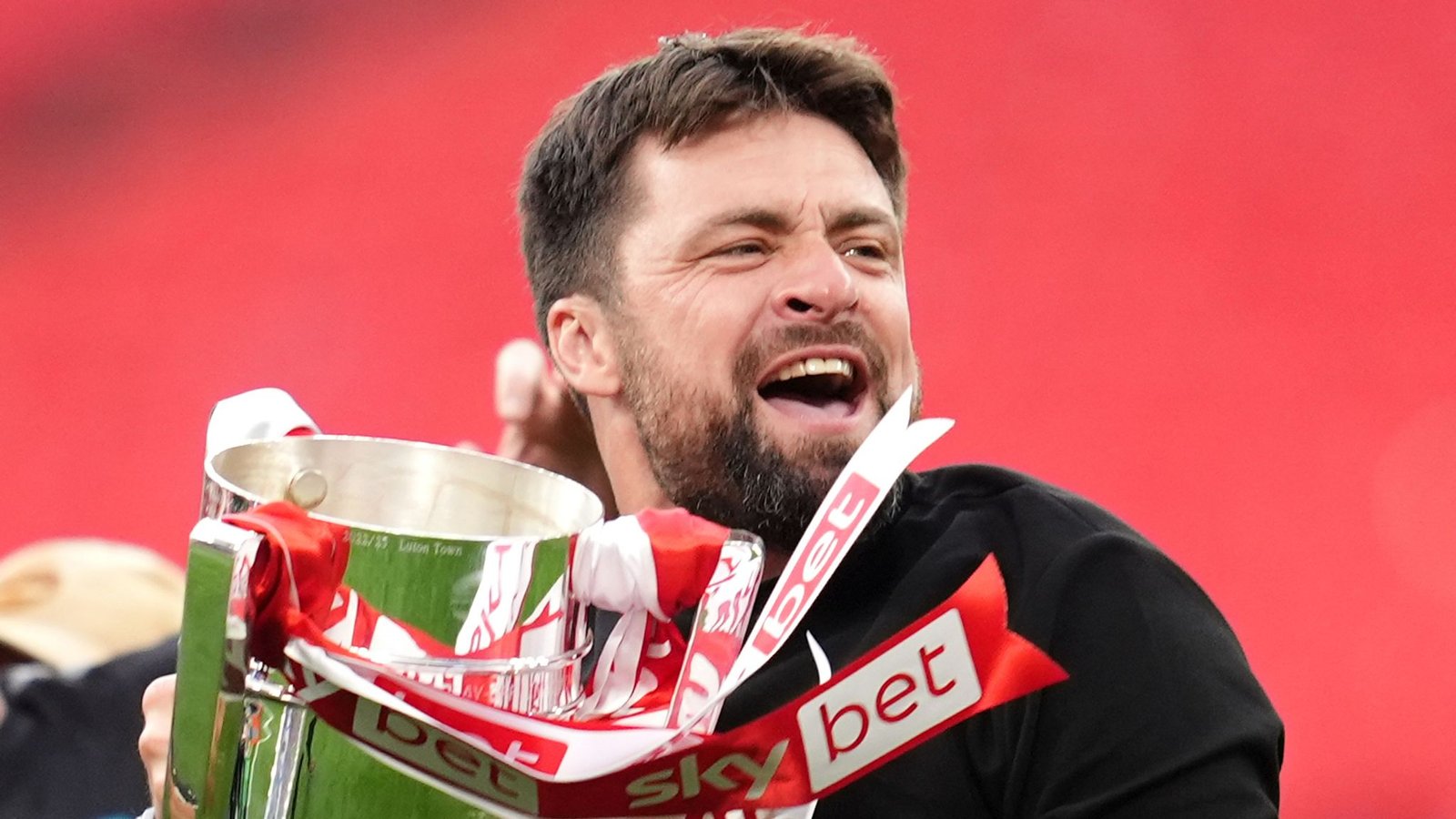
In 2023, Martin was appointed manager of Southampton, a club with ambitions of returning to the Premier League. Under his leadership, Southampton implemented a clear tactical system based on ball retention and progressive build-up play. His methods eventually led the club to promotion through the Championship play-offs, marking one of the most significant achievements of his managerial career.
However, his managerial journey has also included challenges. At times, his tactical approach has been criticized for being too rigid, especially in high-pressure matches where adaptability is crucial. Despite this, Martin has continued to evolve as a coach, learning from both success and setbacks.
Tactical Philosophy and Modern Football Influence
Russell Martin’s tactical philosophy is heavily based on possession football and structured build-up play. He believes that controlling the ball is the most effective way to control a match, and his teams are designed to maintain high passing accuracy and positional discipline. This approach reflects modern coaching influences seen in top European clubs.
His preferred formations often include systems that allow flexibility in possession, enabling defenders to step into midfield and create numerical advantages. He places strong emphasis on player intelligence, requiring individuals to make quick decisions under pressure. This makes his system demanding but highly structured.
Martin’s coaching style is often compared to modern possession-based managers who prioritize long-term development over short-term results. His commitment to a clear identity has made him one of the most discussed young managers in British football.
Personal Life, Values, and Football Legacy
Off the pitch, Russell Martin is known for his disciplined lifestyle and strong personal values. He has adopted a vegan lifestyle, which he has spoken about publicly in relation to health, performance, and sustainability. His lifestyle choices reflect his broader approach to discipline and self-improvement.
He is also involved in community and charitable initiatives through the Russell Martin Foundation, which focuses on using football as a tool for social development. His work off the pitch highlights his commitment to making a positive impact beyond football.
Russell Martin’s legacy is still being written, but he is already recognized as a key figure in modern football coaching discussions. His journey from non-league football to Premier League management reflects resilience, intelligence, and tactical innovation, making him a notable figure in the evolution of English football.
Read More: INFOTECHTIMES
