

Introduction to Pogo Stick and Its Global Popularity
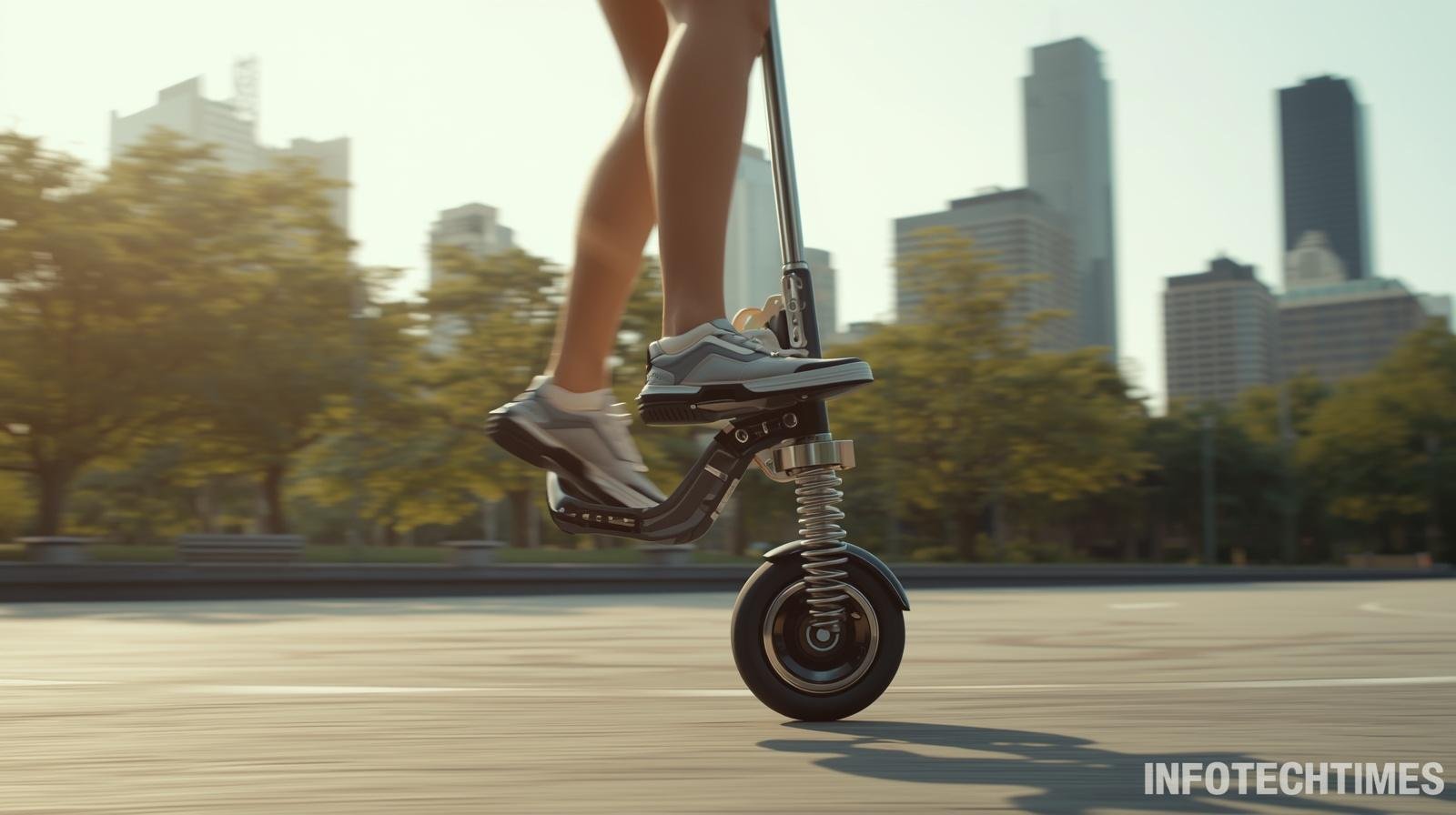
A pogo stick is a spring-powered jumping device designed to let a person bounce repeatedly while standing upright. It may look like a simple toy, but it is actually a mechanical system that converts downward force into upward motion through a compressed spring or air-powered mechanism. The user holds a handlebar, places their feet on footrests, and uses body weight and rhythm to create continuous bouncing. Over time, this simple device has become a global recreational tool used by children, fitness enthusiasts, and even extreme sports athletes.
The popularity of the pogo stick comes from its unique combination of fun, balance training, and physical exercise. Unlike many toys that require flat learning curves, pogo sticking challenges coordination, timing, and core strength from the very beginning. Today, it is also associated with fitness training and Xpogo sports, where riders perform high jumps and aerial tricks. This evolution shows how a simple invention has transformed into a modern activity with multiple uses.
Historical Development and Evolution of Pogo Stick Technology
The origin of the pogo stick dates back to early mechanical jumping inventions in the 19th century, when inventors experimented with spring-loaded devices to enhance human jumping ability. One of the earliest recorded concepts was a spring stilt designed to assist walking and jumping over obstacles. These early prototypes were not practical for mass use but introduced the idea of energy storage and release through mechanical springs.
The modern pogo stick began taking shape in the early 20th century when German inventors refined the design into a more stable and usable structure. The introduction of stronger metal frames and improved spring systems made it possible for users to repeatedly bounce without losing control. By the mid-20th century, pogo sticks became widely popular as children’s toys in Europe and North America, often marketed as safe and entertaining outdoor equipment.
In later decades, manufacturers focused on improving durability, safety, and bounce efficiency. Rubberized grips, stronger steel springs, and better foot placement systems were introduced. In recent years, the pogo stick has entered a new phase with extreme sports models capable of reaching significant heights, transforming it from a simple toy into a performance-based activity used in competitions and stunt shows.
Scientific Principles Behind How a Pogo Stick Works
The pogo stick operates on fundamental physics principles, mainly energy conversion and elastic potential energy. When a rider pushes down on the stick, the internal spring compresses and stores energy. This energy is not lost; instead, it is temporarily held in the spring material. As soon as the spring returns to its original shape, it releases this stored energy, pushing the rider upward.
This continuous cycle is closely related to Newton’s laws of motion. The downward force applied by the rider creates an equal and opposite reaction force, which propels the user upward. The timing of this force application is extremely important. If the rider presses too early or too late, energy efficiency is reduced and bouncing becomes unstable.
Modern pogo sticks may use either coil springs or air pressure systems. Air-powered models often provide smoother rebounds because compressed air can distribute force more evenly. Regardless of the mechanism, the core physics remains the same: converting downward kinetic energy into upward motion through elastic resistance.
Different Types of Pogo Sticks and Their Functional Differences
Pogo sticks today are designed for different age groups and performance levels, each with unique structural characteristics. Entry-level pogo sticks are usually lightweight and designed for beginners or children. These models focus on safety and stability rather than height, using softer springs that require less force to compress.
Intermediate pogo sticks are built for teenagers or casual users who want more bounce height and better control. These versions typically include stronger springs, reinforced metal frames, and improved grip handles. They allow more dynamic movement while still maintaining a controlled bounce pattern suitable for outdoor play.
At the highest level are extreme pogo sticks used in professional Xpogo sports. These advanced models are engineered with heavy-duty materials and high-tension spring systems that can support intense impacts. Riders using these sticks can perform flips, spins, and high-altitude jumps, turning pogo sticking into a recognized extreme sport with competitions and global communities.
Materials, Engineering, and Design Improvements in Modern Pogo Sticks
The construction of a pogo stick has evolved significantly due to advancements in material science and mechanical engineering. Early models were often made of basic steel with simple coil springs, which limited performance and durability. Modern pogo sticks use lightweight aluminum alloys or reinforced steel to balance strength with portability.
The spring mechanism is the most critical component, and engineers have worked to improve its responsiveness and lifespan. High-carbon steel springs are commonly used because they can withstand repeated compression cycles without losing elasticity. Some advanced models replace traditional springs with pneumatic systems, which provide smoother motion and reduce strain on joints.
Design improvements also extend to user comfort and safety. Ergonomic handles, anti-slip footrests, and shock-absorbing systems have been added to reduce fatigue during prolonged use. These innovations make pogo sticking more accessible and reduce the risk of injury, especially for beginners learning balance and coordination.
Physical and Mental Benefits of Using a Pogo Stick
Using a pogo stick provides a wide range of physical benefits, making it more than just a recreational activity. One of the most important benefits is improved balance and coordination. Since the rider must constantly adjust body position to maintain stability, the activity strengthens core muscles and enhances neuromuscular control.
It also provides cardiovascular exercise, as continuous bouncing increases heart rate and improves blood circulation. This makes pogo sticking an engaging alternative to traditional aerobic workouts. The repeated motion also strengthens leg muscles, particularly the calves, thighs, and ankles, contributing to better lower-body endurance.
In addition to physical advantages, pogo sticking can improve mental focus and rhythm control. Riders must concentrate on timing their jumps and maintaining stability, which enhances reaction time and spatial awareness. Over time, this combination of physical and cognitive engagement can contribute to better overall body coordination.
Safety Considerations and Risk Prevention Strategies
Safety is a crucial aspect of pogo stick usage, especially for beginners and younger users. One of the most important safety measures is choosing an appropriate surface. Smooth, flat ground such as concrete or gym floors provides stability, while uneven terrain increases the risk of falls and loss of balance.
Protective gear plays an essential role in reducing injury risks. Helmets, knee pads, and elbow protection help minimize impact during accidental falls. Since learning involves frequent loss of balance, protective equipment is strongly recommended until the user develops sufficient control.
Regular inspection of the pogo stick is also necessary. Checking the spring tension, handle stability, and footrest condition ensures safe operation. Any signs of wear or damage can significantly affect performance and increase the likelihood of accidents, making maintenance an important part of safe usage.
Learning Process, Techniques, and Skill Development
Learning to use a pogo stick requires gradual skill development and patience. Beginners usually start by practicing balance while standing still on the device. This stage helps the user understand weight distribution and grip control before attempting actual bouncing.
Once basic balance is achieved, small controlled jumps are introduced. These initial movements help the rider understand how the spring reacts to body weight and timing. Consistent practice allows the user to develop rhythm, which is essential for smooth and continuous bouncing.
As skill improves, users begin to coordinate movement with forward motion. This requires shifting body weight slightly while maintaining balance. Advanced riders can eventually perform tricks and directional control, which involves precise timing and strong core stability.
Modern Xpogo Culture, Fitness Use, and Market Evolution
In recent years, pogo sticks have evolved beyond toys into a structured extreme sport known as Xpogo. This sport involves high-performance pogo sticks capable of extreme heights and complex aerial tricks. Professional riders participate in competitions, exhibitions, and social media showcases, where they demonstrate flips, spins, and advanced jumping techniques.
At the same time, pogo sticks have found a place in fitness training. They are used for agility exercises, coordination drills, and cardio workouts. Fitness enthusiasts appreciate them because they combine fun with physical conditioning, making exercise more engaging compared to traditional routines.
The global market for pogo sticks has also expanded, with manufacturers offering a wide range of models for different needs. From simple beginner sticks to professional-grade equipment, the industry continues to grow as interest in recreational fitness and extreme sports increases. This evolution shows that the pogo stick remains relevant even in modern times, adapting to new trends while preserving its original mechanical simplicity.
Read More: INFOTECHTIMES
