

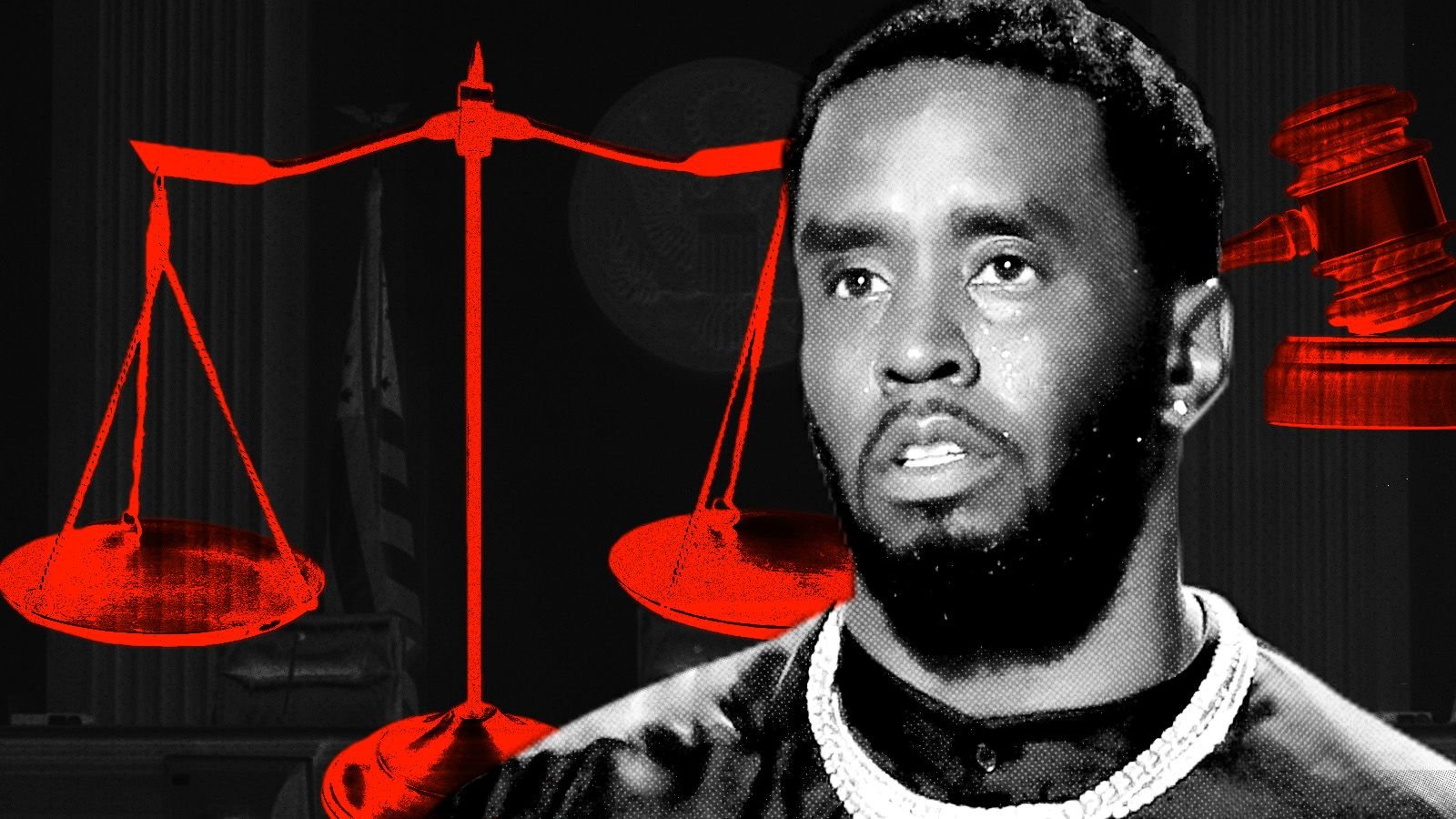
Introduction to the Diddy Trial
The Diddy trial quickly became one of the most widely discussed legal cases in modern entertainment history, centering on Sean “diddy trial” Combs, a global music icon, entrepreneur, and cultural figure. Known for shaping hip-hop through his record label and business ventures, Combs’ legal battle marked a dramatic shift from his public image as a successful mogul to a defendant facing serious federal charges.
This case drew massive public attention not only because of Combs’ fame but also due to the nature of the allegations, which included accusations of misconduct, exploitation, and organized illegal activity. The diddy trial became a focal point for conversations about celebrity accountability, legal fairness, and the influence of power in the entertainment industry. As the proceedings unfolded, millions followed closely, making it a defining legal moment of the decade.
Background of Allegations and Investigation
The roots of the Diddy trial can be traced back to multiple allegations that surfaced between 2023 and 2024. These accusations came from several individuals, including former associates and partners, who claimed that Combs engaged in abusive and coercive behavior over a number of years. One of the most notable figures involved in bringing public attention to the case was Cassie Ventura, whose legal complaint helped trigger broader scrutiny.
Following these allegations, federal authorities launched an extensive investigation into Combs’ activities. Law enforcement agencies reviewed financial records, communications, and testimonies to determine whether there was sufficient evidence of criminal conduct. The investigation focused on whether Combs used his business empire and influence to facilitate illegal acts, including transporting individuals for unlawful purposes.
The case gained momentum as more details emerged, eventually leading to formal charges being filed in federal court. The seriousness of the accusations and the scale of the investigation highlighted the complexity of the case and the challenges prosecutors faced in building a compelling argument.
Legal Charges and Core Accusations
The Diddy trial involved several significant federal charges, including violations of the Mann Act, which prohibits transporting individuals across state lines for prostitution or illegal sexual activity. Prosecutors argued that Combs orchestrated travel arrangements for individuals in connection with such activities.
In addition to Mann Act violations, Combs faced accusations related to racketeering and sex trafficking. These charges are among the most serious in federal law and require prosecutors to prove patterns of organized criminal activity or coercion. The complexity of these charges made the diddy trial particularly challenging, as they relied heavily on witness testimony and circumstantial evidence.
The defense countered these allegations by arguing that all interactions were consensual and that the prosecution’s case was built on misinterpretations and exaggerated claims. This clash of narratives formed the core of the courtroom battle, with each side presenting conflicting versions of events.
Timeline and Key Moments During the Trial
The diddy trial officially began in May 2025, held in a federal courtroom in New York. Jury selection marked the start of what would become a lengthy and highly detailed legal process. Over the course of several weeks, both the prosecution and defense presented their cases, calling witnesses and introducing evidence.
Testimonies from former associates and alleged victims played a central role in the diddy trial. Some witnesses described experiences that supported the prosecution’s claims, while others provided statements that aligned with the defense’s position. This mix of perspectives created a complex narrative that required careful consideration by the jury.
As the trial progressed, key moments included cross-examinations, expert testimonies, and the presentation of digital evidence. Closing arguments took place in late June 2025, after which the jury began deliberations. The courtroom atmosphere during this period was intense, reflecting the high stakes involved.
Verdict and Court Decision
In July 2025, the jury delivered its verdict, bringing a crucial phase of the diddy trial to a close. Combs was found guilty on two counts related to transportation for prostitution under the Mann Act. However, he was acquitted of the more severe charges, including racketeering and sex trafficking.
This mixed verdict highlighted the complexity of the case and the difficulty of proving certain allegations beyond a reasonable doubt. While the convictions represented a legal setback for Combs, the acquittals on major charges were viewed by some as a partial victory for the defense.
The outcome sparked widespread debate, with legal experts and the public offering differing interpretations of what the verdict meant. Some saw it as evidence of accountability, while others questioned whether justice had been fully served.
Sentencing and Legal Consequences
Following the verdict, the court moved to the sentencing phase, where the judge determined the appropriate punishment for the convictions. In October 2025, Combs was sentenced to over four years in federal prison, along with a substantial financial penalty and a period of supervised release.
The sentencing decision took into account various factors, including the nature of the offenses and the arguments presented by both the prosecution and defense. Prosecutors pushed for a harsher sentence, emphasizing the seriousness of the conduct, while the defense argued for leniency based on Combs’ lack of prior criminal convictions and contributions to society.
The final sentence reflected a balance between these perspectives, though it remained a subject of controversy. For many observers, the sentencing underscored the broader implications of the case for high-profile individuals facing legal consequences.
Appeals and Ongoing Legal Developments
After the sentencing, Combs’ legal team filed an appeal, challenging both the conviction and the severity of the sentence. The appeal raised questions about the fairness of the trial and whether certain legal standards were properly applied.
One of the central issues in the appeal is whether the judge considered allegations tied to charges for which Combs was acquitted when determining the sentence. This legal question has significant implications, as it touches on broader principles of justice and sentencing practices in federal courts.
As of 2026, the appeal process is ongoing, with legal experts closely monitoring developments. The outcome could potentially lead to a reduced sentence, a retrial, or the upholding of the original decision. Regardless of the result, the appeals process remains a critical part of the case.
Media Coverage and Public Debate
The Diddy trial received extensive media coverage from major news outlets, as well as widespread attention on social media platforms. The case became a trending topic throughout its duration, with daily updates and analysis capturing public interest.
Public reaction to the trial was deeply divided. Some individuals expressed support for the accusers and emphasized the importance of accountability, while others defended Combs and questioned the validity of the allegations. This division reflects broader societal debates about justice, power, and the treatment of high-profile figures.
Media coverage also played a role in shaping public perception of the case. The constant flow of information, opinions, and commentary created a complex environment in which narratives evolved over time, influencing how the trial was understood by different audiences.
Impact on Career and Cultural Legacy
Before the trial, Sean “Diddy” Combs was widely regarded as a pioneer in the music industry, with a legacy that included chart-topping hits, successful business ventures, and cultural influence. However, the trial and its outcome have significantly affected his public image.
The legal case has led to changes in how Combs is perceived by fans, industry professionals, and the general public. While some continue to support him, others view the convictions as a turning point that reshapes his legacy.
The long-term impact on his career remains uncertain. Future developments, including the outcome of the appeal, will likely play a key role in determining how his contributions to music and business are remembered in the years to come.
Broader Legal and Social Implications
The Diddy trial has had far-reaching implications beyond the individuals directly involved. From a legal perspective, the case raises important questions about how courts handle complex charges, the role of evidence, and the standards required for conviction.
Socially, the trial has contributed to ongoing conversations about accountability, power dynamics, and the challenges faced by those who come forward with allegations against influential figures. It has also highlighted the importance of due process and the need to balance fairness with justice.
As a landmark case, the Diddy trial serves as a reminder of the evolving relationship between law, media, and society. Its impact will likely be studied and discussed for years, making it a significant chapter in both legal and cultural history.
Conclusion: The Lasting Significance of the Diddy Trial
The Diddy trial stands as a complex and influential case that brought together issues of law, celebrity culture, and public accountability. From the initial allegations to the verdict, sentencing, and ongoing appeals, the case has captured global attention and sparked meaningful discussions.
While the legal process continues, the trial has already left a lasting mark on the entertainment industry and the broader public landscape. It serves as a powerful example of how high-profile cases can shape perceptions, challenge institutions, and influence future legal standards.
Ultimately, the Diddy trial is more than just a legal proceeding; it is a reflection of broader societal dynamics and the ongoing pursuit of justice in a complex and evolving world.
Read More: INFOTECHTIMES
