

Understanding Meta Platforms and Its Market Position
Meta Stock Split Platforms is one of the most influential technology companies in the world, owning major digital platforms such as Facebook, Instagram, and WhatsApp. Since its public listing in 2012, Meta Stock Split has transformed from a social networking company into a global tech powerhouse focused on digital advertising, artificial intelligence, and the metaverse. Its stock, traded under the ticker Meta Stock Split on the NASDAQ, has experienced significant growth over the years, driven by strong revenue streams and continuous innovation.
The company’s financial strength is largely built on advertising revenue, which comes from billions of active users across its platforms. In recent years, Meta Stock Split has also invested heavily in AI technologies and virtual reality through its Reality Labs division. This combination of strong fundamentals and forward-looking innovation has helped Meta maintain its position among the most valuable companies globally, making its stock highly attractive to both institutional and retail investors.
What Is a Stock Split and How It Works
A stock split is a corporate action in which a company divides its existing shares into multiple new shares. This process increases the number of outstanding shares while reducing the price per share proportionally. For example, in a 2-for-1 stock split, each shareholder receives two shares for every one share they previously owned, but the overall value of their investment remains unchanged.
Companies typically use stock splits to make their shares more accessible to investors. When a stock’s price becomes very high, it can discourage smaller investors from buying whole shares. By lowering the price per share, a stock split can improve liquidity and attract a broader investor base. Although a split does not change the company’s market capitalization, it can positively influence investor sentiment and trading activity.
Meta Stock Split History: A Unique Case
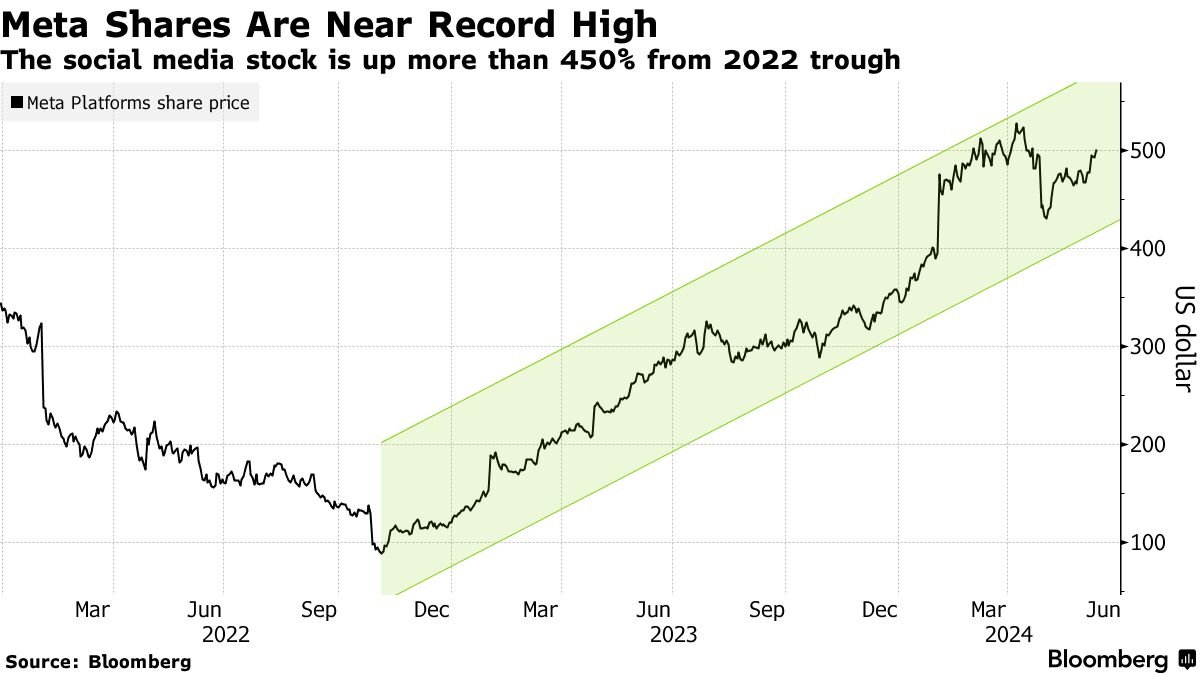
Unlike many other large technology companies, Meta Stock Split has never conducted a Meta Stock Split since its IPO. This makes it a unique case among its peers, especially when compared to companies like Apple and Tesla, which have split their stocks multiple times to maintain accessibility. Despite Meta’s stock reaching high price levels, the company has chosen not to divide its shares.
There was an attempt in the past to introduce a new class of non-voting shares, which some analysts viewed as a move similar to a stock split. However, this plan was eventually abandoned. As a result, Meta’s stock history remains straightforward, with no split events recorded, which continues to spark curiosity and speculation among investors.
Why Meta Has Avoided a Stock Split So Far
One of the main reasons Meta has not pursued a stock split is the rise of fractional share investing. Modern brokerage platforms allow investors to buy portions of a stock, making it easier to invest in high-priced shares without needing a large amount of capital. This reduces the traditional need for stock splits as a tool for accessibility.
Another important factor is the company’s strategic focus. Under the leadership of Mark Zuckerberg, Meta Stock Split prioritizes long-term growth and innovation over short-term market adjustments. The company has invested heavily in artificial intelligence, virtual reality, and digital infrastructure rather than making structural changes like stock splits. This approach reflects a belief that fundamental performance matters more than share price optics.
Will Meta Stock Split in the Future?
The question of whether Meta Stock Split will split its stock remains one of the most frequently discussed topics among investors. As of now, there has been no official announcement from the company regarding any plans for a Meta Stock Split. Predictions about a future split are based entirely on speculation and market trends rather than confirmed information.
However, certain conditions could increase the likelihood of a stock split. If Meta’s share price continues to rise significantly, the company may consider a split to improve accessibility and trading volume. Market expectations and competitive pressure from other tech companies could also play a role in influencing such a decision in the future.
Impact of a Potential Meta Stock Split on Investors
If Meta were to announce a stock split, it would likely generate significant attention in the financial markets. In the short term, a split could lead to increased trading activity and a boost in investor interest. Many retail investors perceive lower-priced shares as more affordable, even though the underlying value remains the same.
In the long term, the impact of a stock split is mostly psychological rather than financial. Investors would own more shares, but their total investment value would remain unchanged. The real drivers of stock performance would still be Meta’s revenue growth, profitability, and ability to innovate in competitive markets such as digital advertising and AI.
Comparing Meta with Other Tech Giants
When comparing Meta to other major technology companies, the absence of a stock split becomes even more noticeable. Companies like Apple Inc. and Tesla, Inc. have used stock splits as a strategy to maintain investor accessibility and increase market participation. These companies often perform splits after periods of strong stock price growth.
Meta, on the other hand, has taken a different approach by focusing on its core business operations and long-term strategy. Despite not splitting its stock, the company has continued to deliver strong financial performance and attract investors. This demonstrates that a stock split is not essential for success, although it can be beneficial under certain circumstances.
Market Sentiment and Investor Speculation
Investor sentiment plays a crucial role in the ongoing discussion about a potential Meta stock split. As the company’s share price rises, speculation tends to increase, with analysts and investors debating whether a split is likely. Financial news outlets and online communities frequently discuss possible scenarios and timelines.
Some investors believe that a stock split is inevitable, especially if Meta’s stock continues to climb. Others argue that the benefits of a split are less significant in today’s market due to the availability of fractional shares. This difference in opinion highlights the evolving nature of investing and the changing role of stock splits in modern financial markets.
Key Factors That Could Influence a Future Split
Several factors could influence Meta’s decision to split its stock in the future. Continued growth in share price is one of the most important triggers. If the stock becomes too expensive for average investors, the company may consider a split to improve accessibility.
Another factor is competition within the tech industry. If other major companies continue to perform stock splits and benefit from increased investor participation, Meta may follow suit. Additionally, internal strategic decisions and leadership priorities will play a significant role in determining whether a split aligns with the company’s long-term goals.
Final Thoughts on Meta Stock Split
The topic of a Meta stock split remains a subject of interest for investors around the world. Despite its strong growth and high share price, the company has not conducted a stock split and has not announced any plans to do so. This makes Meta different from many of its peers in the technology sector.
For investors, it is important to focus on the company’s fundamentals rather than waiting for a stock split. Meta’s strength lies in its innovation, massive user base, and ability to generate consistent revenue. While a stock split could happen in the future, it should not be the primary factor in making investment decisions.
Read More: INFOTECHTIMES
