

Introduction to Earth Science Topics and Their Role in Understanding Earth
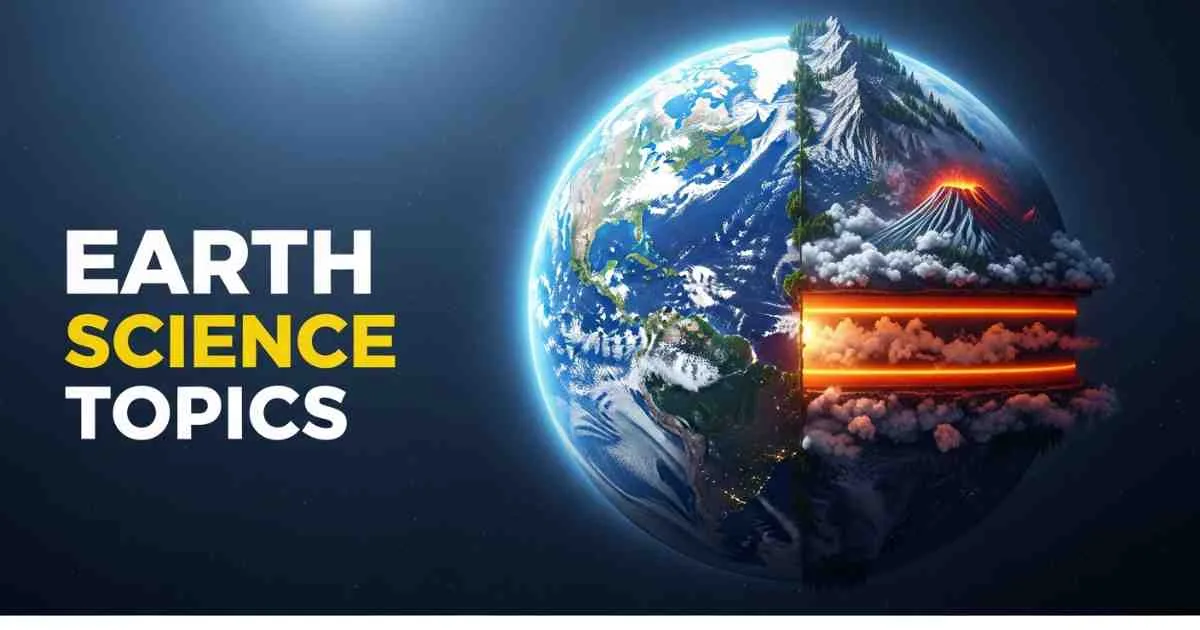
Earth science topics science is the comprehensive study of earth science topics physical structure, atmosphere, oceans, and space environment. It combines multiple disciplines such as geology, meteorology, oceanography, and astronomy to explain how our planet functions as a dynamic system. The core purpose of earth science is to understand natural processes, interpret earth science topics history, and predict future changes based on scientific evidence.
The importance of earth science topics has increased significantly in modern times due to environmental challenges such as climate change, natural disasters, and resource depletion. Scientists use earth science topics science to study patterns in weather, analyze the movement of tectonic plates, and monitor ocean behavior. This knowledge helps societies prepare for earthquakes, floods, hurricanes, and long-term environmental shifts.
earth science topics science is also deeply connected with human survival and technological advancement. From satellite systems to weather forecasting tools, many modern innovations rely on earth science topics science research. It provides a scientific foundation for sustainable development, environmental protection, and responsible resource use, making it one of the most essential fields in today’s world.
Geology and the Structure of Earth’s Solid System
Geology is one of the most important branches of Geology, focusing on the solid earth science topics including rocks, minerals, mountains, and internal layers. It explains how earth science topics was formed over billions of years and how its surface continues to evolve through natural processes like erosion, volcanic activity, and plate tectonics.
A key concept in geology is plate tectonics, which describes the movement of large plates beneath earth science topics crust. These movements are responsible for earthquakes, mountain formation, and volcanic eruptions. By studying rock formations and fossil records, geologists reconstruct earth science topics history and understand how continents have shifted over time.
Geology also plays a crucial role in identifying natural resources such as oil, gas, coal, and metals. Engineers and geologists collaborate to ensure safe construction of buildings, dams, and roads by analyzing soil and rock stability. This makes geology not only a theoretical science but also a practical discipline that supports infrastructure and economic development.
Meteorology and Earth’s Atmospheric Systems
Meteorology is a major branch of Meteorology that focuses on the study of weather patterns, atmospheric conditions, and climate behavior. It explains how clouds form, why rain occurs, and how storms like hurricanes and tornadoes develop through atmospheric pressure changes and temperature variations.
Meteorologists use advanced technologies such as satellites, radar systems, and computer models to predict weather conditions. These predictions are essential for agriculture, transportation, and disaster management. Accurate forecasting helps protect lives and property by providing early warnings of extreme weather events.
Closely related to meteorology is climatology, which studies long-term climate patterns. This helps scientists understand global warming, seasonal changes, and atmospheric shifts over decades. The study of atmospheric science is essential for addressing modern environmental challenges and improving global climate resilience.
Oceanography and the Dynamics of Marine Environments
Oceanography is the scientific study of earth science topics oceans, seas, and marine ecosystems, making it a vital earth science topic. It explores ocean currents, wave systems, marine life, and underwater geology. Since oceans cover more than 70% of Earth’s surface, they play a crucial role in regulating climate and supporting life.
One major branch of Oceanography is physical oceanography, which studies ocean currents and tides that influence global weather systems. Chemical oceanography examines seawater composition, including salinity and pollution levels, while biological oceanography focuses on marine organisms and ecosystems.
Oceans act as a natural climate regulator by absorbing heat and carbon dioxide from the atmosphere. They also support biodiversity and provide food resources for billions of people. Understanding ocean systems helps scientists track climate change, rising sea levels, and marine pollution.
Astronomy and Earth’s Relationship with the Universe
Astronomy is the study of space, including planets, stars, galaxies, and cosmic phenomena. In earth science, it helps explain Earth’s position in the universe and how external space events influence our planet. Events such as asteroid impacts and solar radiation directly affect Earth’s environment and life systems.
The field of Astronomy includes planetary science, which compares Earth with other planets in the solar system. Studying planets like Mars and Venus helps scientists understand Earth’s evolution, atmosphere, and geological history.
Astronomy also contributes to modern technology. Satellite systems used for communication, navigation, and weather monitoring are developed using space science research. This shows how earth science extends beyond Earth and connects with the broader universe.
Environmental Science and Human Impact on Earth
Environmental science is a multidisciplinary field that studies the interaction between humans and the natural environment. It combines elements of biology, chemistry, physics, and geology to address environmental issues such as pollution, deforestation, and climate change.
The field of Environmental Science focuses on ecosystems and biodiversity, explaining how living organisms interact with air, water, and soil. Scientists study how human activities impact natural systems and develop solutions to reduce environmental damage.
Environmental science is essential for promoting sustainability and conservation. It supports the development of renewable energy, waste management systems, and environmental policies. As global environmental challenges increase, this field plays a critical role in ensuring a balanced relationship between humans and nature.
Geophysics and Earth’s Internal Forces
Geophysics is the study of Earth’s physical properties and internal structure, including its magnetic field, gravity, and seismic activity. It uses scientific tools to investigate what lies beneath the Earth’s surface, helping scientists understand hidden geological processes.
The field of Geophysics is especially important in studying earthquakes through seismology. Seismic waves generated by earthquakes provide valuable information about Earth’s internal layers and help in assessing earthquake risks.
Geophysics is also widely used in resource exploration. It helps locate underground water, mineral deposits, and energy resources such as oil and gas. This makes it an essential science for both environmental safety and industrial development.
Hydrology and Earth’s Water Cycle Systems
Hydrology is the earth science field that studies the distribution, movement, and quality of water on Earth. It focuses on rivers, lakes, groundwater, and precipitation, explaining how water continuously circulates through the environment.
The study of Hydrology includes the water cycle, where water evaporates, forms clouds, and returns to Earth as rain or snow. Hydrologists analyze this cycle to manage water resources and prevent floods and droughts.
Hydrology is essential for agriculture, drinking water supply, and urban planning. It helps ensure sustainable water usage and protects communities from water-related disasters. As climate change affects rainfall patterns, hydrology becomes even more important for global water security.
Climate Science and Earth’s Changing Systems
Climate science is one of the most critical earth science topics today. It studies long-term changes in temperature, precipitation, and atmospheric conditions. Scientists use climate models to understand past climates and predict future environmental changes.
The field of Climate Change is central to this study, especially global warming caused by greenhouse gas emissions. Rising temperatures, melting glaciers, and extreme weather events are major concerns linked to climate change.
Climate science also examines natural climate patterns such as El Niño and La Niña, which influence global weather systems. By understanding these patterns, scientists improve forecasting accuracy and help societies prepare for environmental challenges.
Applications of Earth Science in Modern Life
Earth science plays a vital role in everyday life by providing knowledge that supports safety, development, and sustainability. It helps predict natural disasters such as earthquakes, floods, and storms, allowing people to take preventive measures and reduce risks.
Modern technologies such as GPS navigation, weather apps, and satellite imaging all depend on earth science principles. These tools are widely used in transportation, agriculture, urban planning, and disaster management, showing how deeply earth science is integrated into daily life.
Earth science also supports sustainable development by promoting the responsible use of natural resources. It helps societies understand environmental balance and encourages actions that protect ecosystems for future generations. As global challenges continue to grow, earth science remains essential for building a safer and more sustainable world.
Read More: Infotechtimes
