

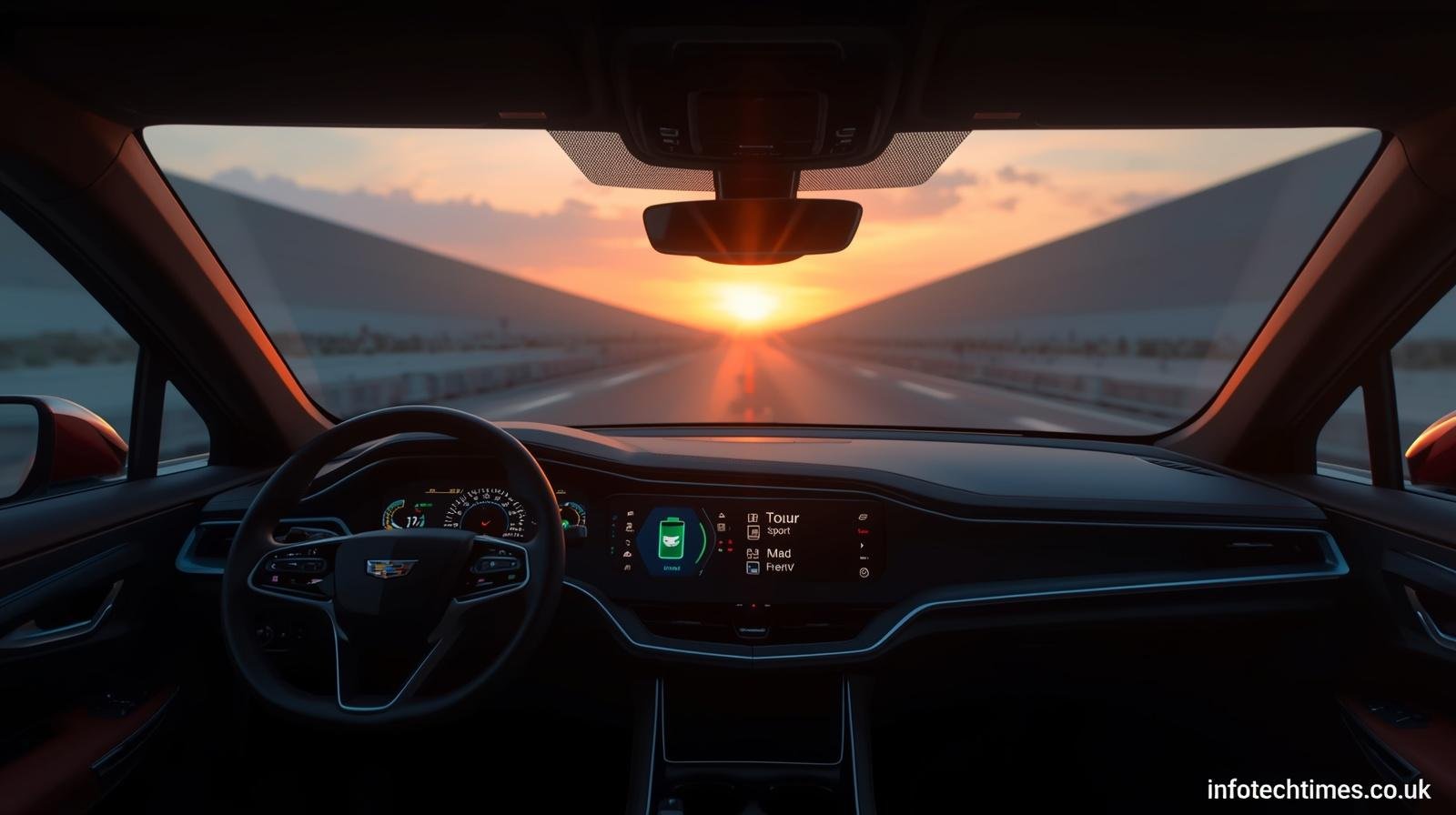
Introduction to Cadillac Lyriq Driving Modes and Range
The Cadillac Lyriq represents a major step forward in the evolution of luxury electric vehicles, combining advanced battery technology with intelligent driving systems. Among its most talked-about features are its driving modes, which allow drivers to tailor the vehicle’s behavior to different conditions and preferences. These modes are not just about comfort or performance—they also play a significant role in how the vehicle consumes energy.
A common question among potential buyers and EV enthusiasts is whether these driving modes actually change the vehicle’s range or battery usage. While the battery capacity itself remains fixed, the way energy is utilized varies depending on the selected mode. Understanding this relationship is essential for maximizing efficiency and making informed driving decisions in real-world scenarios.
Understanding the Battery System in the Cadillac Lyriq
The Cadillac Lyriq is powered by a large Ultium battery pack, which has a usable capacity of approximately 102 kWh. This battery is designed to deliver an EPA-estimated range of over 300 miles on a full charge, depending on the variant and driving conditions. The battery system is engineered for both performance and longevity, incorporating advanced thermal management and energy distribution technologies.
Despite having a fixed battery size, the actual range experienced by drivers can vary significantly. This variation is influenced by several factors, including driving style, terrain, weather conditions, and importantly, the selected driving mode. The battery does not change its capacity, but how efficiently it is used determines how far the vehicle can travel.
How Driving Modes Work in Electric Vehicles
Driving modes in electric vehicles like the Cadillac Lyriq function as software-controlled profiles that adjust multiple systems within the car. These systems include throttle sensitivity, motor output, regenerative braking intensity, steering feel, and traction control. Each mode is designed to create a specific driving experience, whether focused on efficiency, performance, or safety.
When a driver switches modes, the vehicle recalibrates how power is delivered and how energy is recovered. For example, a more aggressive throttle response will draw more power from the battery, while stronger regenerative braking can help recover energy during deceleration. These adjustments directly impact how quickly the battery is depleted, thereby influencing overall range.
Tour Mode: Optimizing Efficiency and Range
Tour Mode is the default driving setting in the Cadillac Lyriq and is specifically designed to balance comfort, smoothness, and energy efficiency. In this mode, throttle response is more gradual, allowing for controlled acceleration that minimizes unnecessary energy consumption. The system also optimizes regenerative braking to recover as much energy as possible without compromising driving comfort.
This mode is generally considered the most efficient option for everyday driving and long-distance travel. Drivers using Tour Mode often achieve range figures closer to the official EPA estimates because the vehicle operates in a more energy-conscious manner. It is particularly effective in city driving and highway cruising where consistent speeds can be maintained.
Sport Mode: Increased Performance and Higher Energy Consumption
Sport Mode transforms the Cadillac Lyriq into a more dynamic and responsive vehicle by sharpening throttle response and increasing power delivery. This mode is designed for drivers who prioritize acceleration and a more engaging driving experience. The vehicle reacts more quickly to input, providing a sense of immediacy and performance.
However, this enhanced performance comes at a cost. The increased power demand leads to higher energy consumption, which can significantly reduce the vehicle’s range. Frequent acceleration and aggressive driving behavior in Sport Mode can drain the battery more quickly, making it less suitable for long trips where efficiency is a priority.
Snow/Ice Mode: Safety-Focused Energy Usage
Snow/Ice Mode is engineered to provide maximum stability and control in slippery conditions. It adjusts torque delivery to the wheels, reduces throttle sensitivity, and modifies traction control systems to prevent wheel spin. These changes help the driver maintain control on icy or snow-covered roads.
While safety is the primary goal of this mode, it can also influence energy usage. The system may limit regenerative braking and use additional power to maintain traction, which can slightly reduce efficiency. Although the impact on range is not as significant as in Sport Mode, it is still noticeable compared to more efficiency-focused settings like Tour Mode.
My Mode: Customization and Its Impact on Battery Usage
My Mode offers drivers the flexibility to customize various aspects of the driving experience, including steering, throttle response, and braking characteristics. This personalized approach allows users to create a driving profile that matches their preferences, whether they prioritize comfort, performance, or efficiency.
The impact of My Mode on range depends entirely on how it is configured. If the settings lean toward smoother acceleration and efficient energy use, the vehicle can achieve range figures similar to or even better than Tour Mode in certain conditions. On the other hand, a more aggressive setup can lead to increased battery consumption and reduced range, similar to Sport Mode.
Real-World Range Variations Across Driving Modes
Although official range ratings are determined under standardized testing conditions, real-world driving often tells a different story. Drivers frequently report noticeable differences in range when switching between modes, especially when comparing efficiency-focused and performance-oriented settings.
In practical terms, the difference in range between modes can vary from a small percentage to as much as 15–25% in extreme cases. This variation depends on how the vehicle is driven within each mode, as well as external factors such as traffic, road conditions, and weather. Understanding these differences helps drivers make better decisions about which mode to use in different situations.
Additional Factors That Influence Battery Usage
While driving modes play an important role in energy consumption, they are not the only factor affecting range. Speed is one of the most significant variables, as higher speeds increase aerodynamic drag and require more energy. Similarly, rapid acceleration and frequent braking can lead to inefficient energy use.
Environmental conditions also have a major impact. Cold weather can reduce battery efficiency and increase energy demand for heating, while hot weather may require additional power for cooling systems. Road conditions, elevation changes, and even tire pressure can further influence how efficiently the vehicle operates. These factors often have a greater effect on range than driving modes alone.
Conclusion: Do Driving Modes Change Range in the Cadillac Lyriq?
Driving modes in the Cadillac Lyriq do not change the battery’s physical capacity, but they do have a meaningful impact on how energy is consumed. By altering throttle response, regenerative braking, and overall vehicle behavior, each mode influences the rate at which the battery is used. This, in turn, affects the real-world range experienced by the driver.
Tour Mode remains the best choice for maximizing efficiency, while Sport Mode offers enhanced performance at the expense of range. Snow/Ice Mode prioritizes safety, and My Mode provides flexibility with varying results. Ultimately, understanding how these modes work allows drivers to optimize their driving experience and make the most of the Lyriq’s advanced electric technology.
Read More: INFOTECHTIMES
